
Struggling With IBS? Discover Natural Ayurvedic Relief For IBS
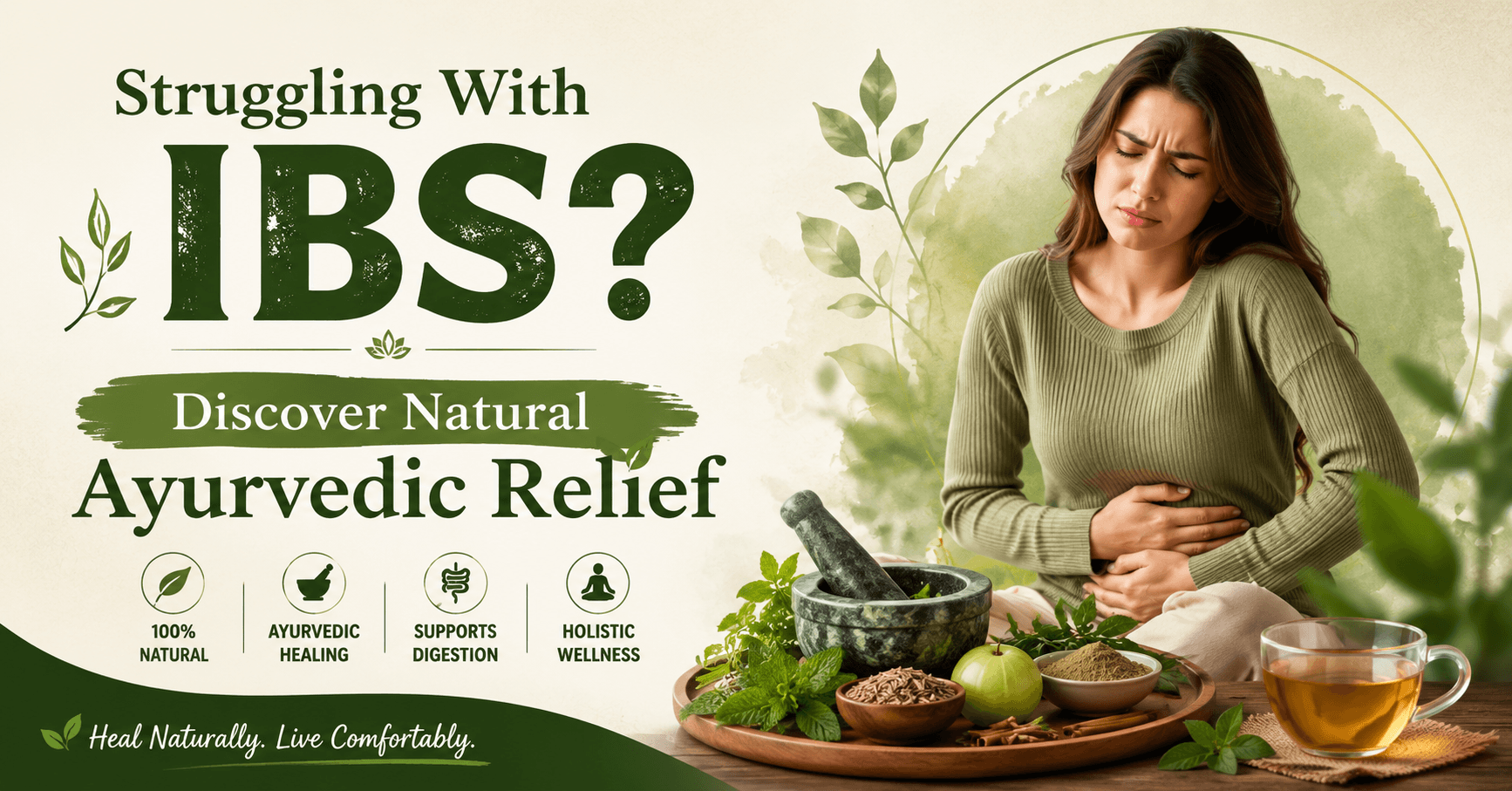
Living with Irritable Bowel Syndrome (IBS) can feel exhausting. Frequent stomach discomfort, bloating, gas, constipation, diarrhea, and unpredictable digestion problems can affect your confidence, work, travel, and daily lifestyle. Many people rely on temporary solutions, but the symptoms often return again and again.
According to Ayurveda, IBS is not just a digestive disorder — it is a sign of imbalance in the body’s digestive fire (Agni), gut health, stress response, and lifestyle habits. Ayurveda focuses on treating the root cause of IBS naturally, helping improve digestion, reduce inflammation, calm the gut, and restore overall wellness.
In this guide, you will learn everything about IBS symptoms, causes, Ayurvedic perspective, natural remedies, dietary changes, lifestyle modifications, and holistic treatment approaches that may help support long-term digestive wellness.
What Is IBS (Irritable Bowel Syndrome)?
Irritable Bowel Syndrome (IBS) is a common digestive disorder that affects the large intestine. It is considered a functional gastrointestinal condition, meaning the digestive tract appears normal but does not function properly.
People with IBS often experience symptoms such as:
- Abdominal pain
- Bloating and gas
- Constipation
- Loose motions or diarrhea
- Irregular bowel movements
- Stomach cramps
- Indigestion
- Acidity
- Feeling of incomplete bowel emptying
IBS symptoms may come and go depending on food habits, stress levels, sleep patterns, and lifestyle choices.
Common Symptoms of IBS You Should Not Ignore
IBS symptoms can vary from person to person. Some individuals struggle with constipation, while others experience frequent loose motions.
Digestive Symptoms of IBS
- Chronic bloating
- Excessive gas formation
- Abdominal discomfort
- Stomach heaviness
- Mucus in stool
- Frequent urge to pass stool
- Irregular digestion
- Food intolerance
IBS Symptoms Related to Lifestyle & Stress
Many IBS patients also experience:
- Stress-related digestive problems
- Anxiety-induced stomach discomfort
- Fatigue and weakness
- Poor appetite
- Disturbed sleep
- Mental irritability
Ayurveda strongly connects gut health with emotional balance, making stress management an important part of treatment.
What Causes IBS? Understanding the Root Problem
The exact cause of IBS is not always clear, but several factors may contribute to the condition.
Common Triggers of IBS
1. Poor Eating Habits
Eating junk food, spicy food, oily meals, processed foods, or irregular meal timings may disturb digestion.
2. Stress & Anxiety
Mental stress can directly affect the digestive system and worsen IBS symptoms.
3. Weak Digestion (Low Agni)
According to Ayurveda, weak digestive fire leads to improper digestion and toxin accumulation.
4. Gut Sensitivity
Some people have a highly sensitive intestinal system that reacts strongly to certain foods.
5. Sedentary Lifestyle
Lack of physical activity can slow digestion and worsen constipation and bloating.
6. Disturbed Sleep Cycle
Poor sleep may negatively affect gut health and metabolism.
IBS in Ayurveda – Understanding Grahani Disorder
In Ayurveda, IBS is often linked with Grahani Dosha, a condition caused by imbalance in the digestive system.
Ayurveda believes healthy digestion is the foundation of overall wellness. When the digestive fire (Agni) becomes weak, food is not properly digested, leading to formation of toxins known as Ama.
This imbalance may cause:
- Gas formation
- Loose motions
- Constipation
- Acidity
- Bloating
- Abdominal pain
- Poor nutrient absorption
Ayurvedic treatment focuses on balancing the Vata, Pitta, and Kapha doshas while improving digestion naturally.
How Ayurveda Helps in IBS Management Naturally
Unlike temporary symptom management, Ayurveda aims to support long-term digestive balance through personalized treatment approaches.
Ayurvedic Goals for IBS Treatment
- Improve digestive fire
- Reduce gut inflammation
- Support healthy bowel movement
- Remove accumulated toxins
- Calm stress-related digestive issues
- Improve nutrient absorption
- Restore gut balance naturally
Ayurvedic therapies are designed according to individual body constitution (Prakriti) and symptom patterns.
Best Ayurvedic Herbs for IBS Relief
Several traditional Ayurvedic herbs are commonly used to support digestive health.
Bilva (Bael)
Known for supporting healthy bowel function and helping with diarrhea-related symptoms.
Kutaj
Traditionally used for digestive imbalance and intestinal discomfort.
Ajwain
May help reduce gas, bloating, and indigestion naturally.
Saunf (Fennel)
Supports digestion and helps reduce stomach heaviness.
Jeera (Cumin)
Helps stimulate digestion and improve metabolism.
Triphala
Commonly used in Ayurveda for detoxification and bowel regulation.
Isabgol (Psyllium Husk)
May support smoother bowel movements and digestive comfort.
Ayurvedic Diet Tips for IBS Patients
Foods That May Support Digestion
- Warm cooked foods
- Khichdi
- Light soups
- Steamed vegetables
- Herbal teas
- Fresh homemade meals
- Buttermilk with digestive spices
Foods to Avoid in IBS
- Deep fried foods
- Excessively spicy meals
- Processed foods
- Carbonated drinks
- Excess caffeine
- Refined sugar
- Heavy late-night meals
Ayurveda encourages mindful eating and proper meal timings for better digestion.
Lifestyle Changes That May Help IBS Symptoms
IBS management is not only about medicines — lifestyle habits also matter.
Important Daily Habits
Eat Meals on Time
Irregular eating patterns can disturb digestion.
Practice Stress Management
Meditation, yoga, and breathing exercises may help calm the nervous system.
Stay Physically Active
Daily walking and light exercise support bowel movement.
Sleep Properly
Healthy sleep supports gut repair and hormonal balance.
Drink Warm Water
Warm water may help improve digestion and metabolism.
Yoga & Breathing Exercises for IBS Relief
Yoga may help reduce stress and improve digestive health naturally.
Helpful Yoga Practices
- Pawanmuktasana
- Vajrasana
- Balasana
- Bhujangasana
Breathing Techniques
- Anulom Vilom
- Deep Breathing
- Bhramari Pranayama
These practices may help calm the gut-brain connection and reduce stress-related symptoms.
Difference Between IBS and Other Digestive Disorders
Many people confuse IBS with other gastrointestinal conditions.
| Condition | Common Symptoms |
|---|---|
| IBS | Bloating, irregular stool, stomach discomfort |
| Acidity | Burning sensation, acid reflux |
| Ulcerative Colitis | Inflammation with bleeding |
| Food Intolerance | Reaction after specific foods |
| Gastritis | Stomach lining irritation |
Proper evaluation is important for accurate diagnosis and treatment planning.
Can Stress Make IBS Worse?
Yes, stress is one of the biggest triggers for IBS flare-ups.
The gut and brain are deeply connected. Emotional stress can affect digestion, bowel movement, and stomach sensitivity.
People with IBS often notice worsening symptoms during:
- Work pressure
- Anxiety
- Poor sleep
- Emotional stress
- Travel
- Irregular routine
Ayurveda emphasizes balancing both mental wellness and digestive health together.
Benefits of Choosing Ayurvedic Treatment for IBS
Many people prefer Ayurveda because it focuses on holistic healing rather than temporary suppression.
Potential Benefits of Ayurvedic IBS Care
- Natural digestive support
- Personalized treatment approach
- Focus on root-cause management
- Lifestyle & diet guidance
- Stress management support
- Holistic wellness improvement
Ayurveda combines herbs, dietary correction, Panchakarma therapies, and lifestyle practices for overall balance.
Panchakarma Therapy for Digestive Wellness
In some cases, Ayurvedic experts may recommend Panchakarma therapies to help detoxify the body and support digestive health.
These therapies may help:
- Improve metabolism
- Remove toxins
- Support gut balance
- Relax the nervous system
- Improve energy levels
Therapies are customized according to body constitution and health condition.
When Should You Consult an Ayurvedic Doctor for IBS?
You should consider professional guidance if you experience:
- Chronic bloating
- Frequent loose motions
- Long-term constipation
- Severe stomach discomfort
- Irregular digestion
- Stress-related digestive issues
- Dependence on temporary relief medicines
Early management may help prevent worsening symptoms and improve quality of life.
Final Thoughts – Heal Your Gut Naturally With Ayurveda
Living with IBS can affect both physical and emotional well-being. Constant digestive discomfort, food restrictions, stress, and unpredictable symptoms may reduce confidence and impact daily life.
Ayurveda offers a holistic path focused on improving gut health, strengthening digestion, balancing lifestyle habits, and supporting overall wellness naturally.
By combining:
- Ayurvedic herbs
- Healthy diet
- Stress management
- Lifestyle correction
- Digestive care
- Holistic wellness practices
many people may experience better digestive comfort and improved quality of life.
If you are struggling with persistent digestive issues, consulting an experienced Ayurvedic practitioner may help you understand the root cause and create a personalized wellness plan for long-term support.

Dr. Megha Yadav Singh (BAMS) specializes in:
- PCOS & PCOD
- Menstrual irregularities
- Hormonal imbalance
- Lifestyle-related metabolic disorders
At Samdosh Ayurveda, she focuses on root-cause healing, not temporary symptom suppression.
PCOD and PCOS are not lifelong curses. They are reversible metabolic signals when addressed correctly.
“Ayurveda does not force hormones.
It restores balance — permanently.”