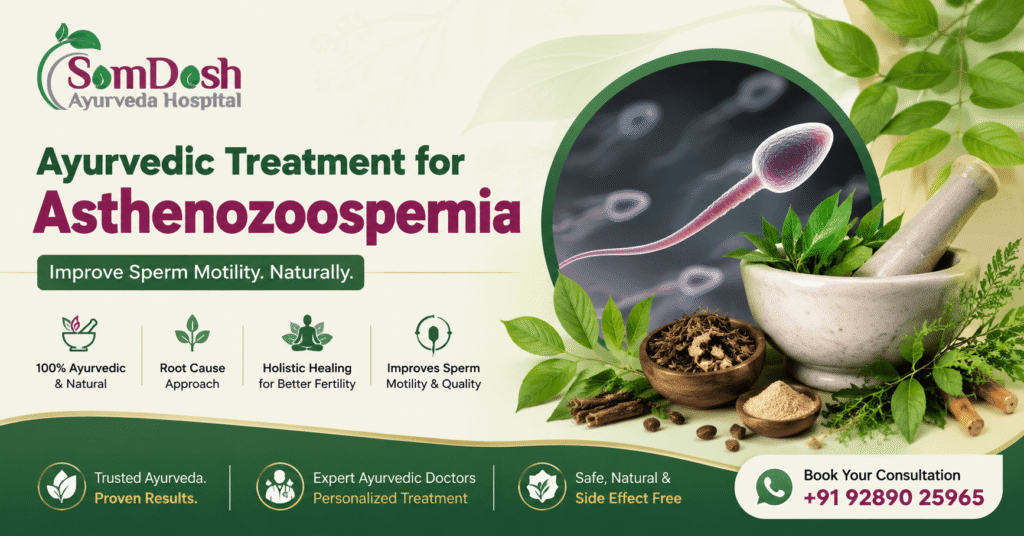
Ayurvedic Treatment for Asthenozoospermia: Improve Motility Naturally
- 15,000+ Patients Treated
- Experienced Ayurvedic Doctors
- Customized Treatment Plans
Reclaim Your Reproductive Health and Path to Fatherhood Naturally
The journey to parenthood is a deeply shared dream, yet for many couples, it presents unexpected hurdles. If a semen analysis has revealed slow sperm motility—clinically termed asthenozoospermia—it is natural to feel overwhelmed, anxious, or isolated. You are not alone.
Traditional modern pathways often rush patients toward invasive, high-stress artificial reproductive techniques (ART) like IVF or ICSI. However, Ayurveda offers a profound alternative. By addressing the constitutional root causes of male factor infertility, holistic therapies aim to nourish, detoxify, and naturally revitalize your reproductive system.
Through personalized herbal protocols, tailored nutritional planning, and ancient rejuvenation therapies (Rasayana), our clinical team supports your body’s innate healing mechanisms. We help you work toward improving your sperm health from the cellular level up.
Doctor Advice
“Sperm take approximately 74 days to develop, mature, and become motile. This means any positive changes we make in your diet, herbs, and lifestyle today will manifest in your semen quality roughly three months from now. Patience and consistent lifestyle changes are your greatest allies.”
— Dr. Ranjeet Singh, BAMS(Ayurveda)
Clinical Success Rate Indicators: Over 15 years of dedicated experience in evidence-informed male infertility Ayurvedic treatment.
Global Patient Network: Trustworthy clinical consultations available in India and online worldwide.
100% Confidentiality: Your private clinical diagnostics, consultation notes, and treatment programs are completely secure.
What is Asthenozoospermia? Understating Slow Sperm Motility
To understand how to improve sperm motility naturally, it is vital to first understand what sperm motility is and how it affects conception.
       [ Head ]      [ Midpiece / Mitochondrial Collar ]     [ Tail / Flagellum ]
     (Genetic Load)          (Energy / ATP Supply)              (Propulsion)
           |                           |                             |
           v                           v                             v
   Penetrates Egg              Powers the Journey             Drives Movement
Definition of Asthenozoospermia
Asthenozoospermia (commonly referred to as slow or weak sperm motility) is a clinical condition diagnosed when a male’s semen sample displays a lower-than-normal percentage of active, moving sperm. Sperm motility refers to the ability of sperm to swim effectively through the female reproductive tract to reach and penetrate the mature egg. If the sperm lack propulsion or move in abnormal circles, fertilization cannot occur naturally.
The World Health Organization (WHO) Guidelines
According to the World Health Organization (WHO) Laboratory Manual for the Examination and Processing of Human Semen (6th Edition), healthy semen must meet specific benchmarks to be considered optimal for natural conception:
| Semen Parameter | WHO Lower Reference Limit (Normal) |
| Total Motility (PR + NP) | ⪴ 40% |
| Progressive Motility (PR) | ⪴ 32% |
| Sperm Concentration⪴ | ⪴ 15 million per mL |
| Total Sperm Number | ⪴ 39 million per ejaculate |
| Morphology (Normal Forms) | ⪴ 4% |
| Semen Volume | ⪴ 1.4 mL |
| Sperm Viability (Vitality) | ⪴ 54% |
Types of Sperm Motility
Under a laboratory microscope, sperm movement is classified into three distinct categories:
Progressive Motility (PR): Sperm that move actively, swimming in a straight line or in large, sweeping circles. These are the highly functional sperm capable of navigating the cervix, uterus, and fallopian tubes to reach the egg.
Non-Progressive Motility (NP): Sperm that display motion but do not travel forward. This includes flagellar beating in place, vibrating, or swimming in tight, erratic circles.
Immotility (IM): Sperm that exhibit absolutely no movement.
When your progressive motility falls below 32%, or total motility falls below 40%, the diagnostic status of asthenozoospermia is established. This indicates a high proportion of slow sperm motility, which hinders natural fertilization.
What Causes Asthenozoospermia? Modern & Environmental Factors
Low sperm motility is rarely an isolated issue; it is typically the structural or functional byproduct of underlying physiological, lifestyle, and environmental imbalances.
                   +-----------------------------------+
                   |     Mitochondrial Dysfunction     |
                   |       (Loss of ATP Production)     |
                   +-----------------+-----------------+
                                     |
                                     v
+-----------------------+  =>  [ ASTHENOZOOSPERMIA ]  <=  +-----------------------+
|  Systemic Stressors   |       (Slow Sperm Motility)     | Environmental/Physical|
| - Varicocele          |                                 | - Heat Exposure       |
| - Oxidative Stress    |                                 | - Heavy Metals        |
| - Metabolic Syndrome  |                                 | - Poor Microcirculation|
+-----------------------+                                 +-----------------------+
Varicocele
A varicocele is an abnormal enlargement of the pampiniform venous plexus within the scrotum. This condition acts like a varicose vein in the leg, causing blood to pool. The resulting stagnation increases testicular temperature and builds up metabolic waste products, which directly impairs sperm development and motility.
Oxidative Stress (OS)
Sperm cells are highly sensitive to oxidative damage. When reactive oxygen species (ROS) outnumber the body’s natural antioxidants, they attack the sperm’s polyunsaturated fatty acid-rich cell membrane. This lipid peroxidation compromises membrane fluidity and damages the mitochondrial engine in the sperm midpiece, depleting the ATP (energy) needed for flagellar propulsion.
Lifestyle Factors: Smoking & Alcohol
Smoking: Introduces heavy metals like cadmium and lead alongside harmful free radicals into the bloodstream. This significantly reduces seminal zinc levels and damages sperm DNA.
Alcohol Consumption: Heavy alcohol intake disrupts the hypothalamic-pituitary-gonadal (HPG) axis, lowering testosterone levels and impairing healthy sperm maturation.
Obesity & Metabolic Health
Excess adipose tissue converts testosterone into estrogen through elevated aromatase enzyme activity. This hormonal imbalance suppresses the luteinizing hormone (LH) and follicle-stimulating hormone (FSH) required to stimulate spermatogenesis in the testes.
Diabetes Mellitus
Chronic hyperglycemia induces systemic inflammation and neuropathic changes that can lead to retrograde ejaculation. It also increases systemic oxidative stress, which direct damages the DNA structure of developing sperm.
Genitourinary Infections
Infections such as chlamydia, gonorrhea, prostatitis, or epididymitis trigger an immune response in the male reproductive tract. The resulting high concentration of white blood cells (leukocytospermia) releases inflammatory cytokines that damage sperm membranes and impair motility.
Prolonged Heat Exposure
The testes are externalized to maintain a temperature roughly 2°C to 3°C lower than core body temperature. Activities like prolonged sitting (such as driving long distances), regular hot tub use, saunas, or wearing tight synthetic underwear elevate testicular temperature, which impairs sperm production.
Nutritional Deficiencies
Inadequate intake of essential micro-nutrients—particularly Zinc, Selenium, L-Carnitine, Coenzyme Q10, Vitamin C, and Vitamin E—deprives developing sperm of the raw cofactors needed for mitochondrial function and antioxidant defense.
Psychological Stress
Chronic stress activates the hypothalamic-pituitary-adrenal (HPA) axis, elevating cortisol levels. High cortisol suppresses gonadotropin-releasing hormone (GnRH), leading to reduced testosterone production and impaired semen quality.
Environmental Toxins & Endocrine Disruptors
Daily exposure to heavy metals, pesticides, phthalates, and bisphenol A (BPA) can disrupt endocrine function. These substances mimic or block natural hormones, leading to poor sperm development and reduced motility.
Advanced Age
While men can produce sperm throughout life, paternal age over 40 is associated with a gradual decline in semen volume, progressive motility, and normal morphology, alongside an increase in sperm DNA fragmentation.
Symptoms of Asthenozoospermia: The Silent Struggle
For most men, asthenozoospermia is a completely silent condition. It does not typically cause physical discomfort, erectile dysfunction, changes in libido, or noticeable alterations in the appearance, smell, or taste of semen.
The Primary Indicator
The primary sign of asthenozoospermia is the inability to achieve natural conception with a partner after 12 months or more of regular, unprotected intercourse.
Secondary Signs
When low sperm motility is caused by an underlying medical condition, you might notice secondary signs:
Varicocele: A dull, aching pain or feeling of heaviness in the scrotum, particularly after standing for long periods, or a visible “bag of worms” appearance above the testicle.
Hormonal Imbalance: Reduced facial or body hair, unexpected weight gain, low energy levels, or mild gynecomastia (breast tissue development).
Infections: Mild burning during urination, unusual discharge from the urethra, or discomfort in the pelvic area.
Risk Factors: Who is Most Vulnerable?
Understanding your risk profile helps you take proactive steps to support your reproductive health.
       High-Risk Lifestyle               Occupational Hazards              Pre-existing Health
     =======================           =======================           =======================
     • Sedentary Habits                • Long-haul Drivers               • History of Varicocele
     • Chronic Smoking / Alcohol       • Industrial Plant Workers        • Chronic Diabetes
     • High-Stress Professions         • Constant Laptop-on-Lap Use      • Untreated UTIs/STIs
Sedentary Lifestyles: Desk-bound professionals who sit for more than 6-8 hours daily without adequate breaks, which can cause heat buildup in the pelvic area.
Occupational Hazards: Professionals exposed to high-heat environments (cooks, bakers, welders) or environmental toxins (agricultural workers, chemical plant technicians).
Chronic Health Conditions: Individuals with a history of undescended testicles (cryptorchidism), testicular trauma, chronic urinary tract infections, or unresolved sexually transmitted infections (STIs).
Frequent Users of Laptop Computers: Individuals who regularly rest laptops directly on their laps, which transfers heat to the scrotum.
How is Asthenozoospermia Diagnosed? Clinical Evaluation
A comprehensive and accurate diagnosis is the first step toward effective treatment.
  Semen Collection            Microscopic Grading            Advanced Diagnostics
  ================          =======================         ======================
  • 2-7 days abstinence     • Grade A: Fast Progressive     • Hormone Profiles
  • Evaluated within        • Grade B: Slow Progressive     • Scrotal Ultrasound
    60 minutes              • Grade C: Non-Progressive      • DNA Fragmentation Index
                            • Grade D: Immotile
1. Semen Analysis (Seminogram)
The semen analysis is the cornerstone of male fertility testing. It requires collecting a semen sample via masturbation into a sterile container, typically after 2 to 7 days of sexual abstinence. For accurate results, the sample must be analyzed within one hour of ejaculation.
2. WHO Sperm Motility Grading System
Historically, and still commonly used in clinical practice, sperm motility is classified into four grades:
Grade A (Rapid Progressive): Sperm moving rapidly in a straight line.
Grade B (Slow/Sluggish Progressive): Sperm moving forward, but at a slower speed or in a curved path.
Grade C (Non-Progressive): Sperm moving their tails, but not traveling forward.
Grade D (Immotile): Sperm showing no movement at all.
3. Hormonal Profiling
If the semen analysis shows abnormal results, blood tests may be ordered to measure key hormone levels:
Serum Testosterone: The primary male sex hormone, essential for spermatogenesis.
Follicle-Stimulating Hormone (FSH): Signals the testes to produce sperm. High levels can indicate testicular failure; low levels point to pituitary dysfunction.
Luteinizing Hormone (LH): Stimulates the Leydig cells in the testes to produce testosterone.
Prolactin & Thyroid Hormones (TSH): Abnormal levels of these hormones can negatively impact reproductive health.
4. Scrotal Ultrasound
A non-invasive imaging test used to detect subclinical varicoceles, testicular cysts, epididymal blockages, or other structural abnormalities within the scrotum.
5. Sperm DNA Fragmentation Index (DFI)
Standard semen analysis looks at the structure and movement of sperm, but not their genetic material. High sperm DNA fragmentation indicates damage to the DNA strands within the sperm head. A high DFI can contribute to fertilization failure, poor embryo development, and recurrent miscarriages, even if motility looks normal under a microscope.
The Ayurvedic Perspective: Shukra Dhatu & Dosha Imbalance
While modern medicine looks at cellular and molecular markers, Ayurveda views reproductive health through the balance of bodily energies (Doshas), tissues (Dhatus), and metabolic fire (Agni).
The Concept of Shukra Dhatu
In Ayurveda, male reproductive fluid is called Shukra Dhatu. It is the seventh and most refined tissue of the body’s metabolic sequence.
When you eat food, it is digested by Jatharagni (central digestive fire) and converted into Ahara Rasa (nutrient-rich plasma). This plasma undergoes a sequential transformation process through the seven Dhatus (tissues): Rasa (plasma), Rakta (blood), Mamsa (muscle), Meda (fat), Asthi (bone), Majja (bone marrow), and finally, Shukra (reproductive tissue).
Healthy Shukra Dhatu requires optimal functioning of all preceding tissues. If there is a metabolic imbalance (Agnimandya) at any stage, the quality of Shukra Dhatu can be compromised, leading to issues like low count, abnormal morphology, or slow sperm motility (Alpa Shukra or Shukra Dosha).
Dosha Imbalance in Asthenozoospermia
Sperm motility is closely tied to the movement-controlling energy in the body: Vata Dosha.
                +---------------------------------------+
                |    Vitiated Vata & Pitta Dosha        |
                |   (Due to lifestyle, stress, diet)    |
                +-------------------+-------------------+
                                    |
                                    v
                +---------------------------------------+
                |  Drying of Shukra (Loss of Saumya)    |
                |  Impaired Shukra Vaha Srotas Flow     |
                +-------------------+-------------------+
                                    |
                                    v
                +---------------------------------------+
                |     ASTHENOZOOSPERMIA / SHUKRA DOSHA  |
                |       (Reduced Sperm Motility)        |
                +---------------------------------------+
Apana Vata Imbalance: A sub-type of Vata that governs the pelvic cavity and elimination processes. When Apana Vata is disturbed by stress, lack of sleep, or a dry diet, its natural downward movement (Anulomana) is disrupted, impacting the healthy maturation and movement of sperm.
Pitta Dosha Imbalance: Pitta governs heat, metabolism, and transformation. Excess Pitta (Tejas) in the reproductive channels (Shukra Vaha Srotas) can cause “burning” or inflammation, similar to the effects of varicocele and oxidative stress. This heat dries up the cooling, nourishing qualities of Shukra Dhatu, reducing sperm motility.
Kapha Dosha Imbalance: Kapha provides structure, stability, and fluid nourishment. If Kapha is weak or blocked by metabolic waste (Ama), the semen may lack the nutrient-dense fluid needed to support and sustain sperm movement.
Root-Cause Ayurvedic Analysis
Rather than simply addressing symptoms, Ayurveda focuses on three root-cause factors:
Agni Mandya (Weak Digestive Fire): Leads to poorly digested food and the buildup of toxic metabolic waste (Ama). This waste can clog the micro-channels (Srotas) that deliver nutrients to the reproductive organs.
Shukra Vaha Srotodushti (Clogged Reproductive Channels): Blockages in these micro-channels prevent essential nutrients from reaching Shukra Dhatu, leading to undernourished and slow-moving sperm.
Mental Stress (Manasika Hetu): Mental stress increases Vata and Pitta, which can disrupt endocrine function and impair semen quality.
Ayurvedic Treatment for Asthenozoospermia: A Root-Cause Approach
Our clinic offers a personalized, evidence-informed treatment protocol designed to cleanse the body’s channels, balance the Doshas, and nourish Shukra Dhatu.
   Step 1: Shodhana (Detox)     ==>     Step 2: Shamana (Balancing)     ==>     Step 3: Rasayana (Rejuvenation)
   -------------------------            ---------------------------             -------------------------------
   • Panchakarma Therapies              • Tailored Herbal Formulas              • Vajikarana Formulations
   • Eliminates Accumulated Ama         • Restores Dosha Equilibrium            • Strengthens Shukra Dhatu
   • Clears Reproductive Srotas         • Enhances Digestive Agni               • Enhances Sperm Motility & Viability
Phase 1: Shodhana Chikitsa (Detoxification via Panchakarma)
To help ensure Ayurvedic medicines are absorbed effectively, we must first clear any metabolic waste (Ama) blocking the body’s channels. This is achieved through personalized Panchakarma therapies:
Virechana (Therapeutic Purgation): Clears excess Pitta and toxins from the liver and blood. This helps reduce systemic heat and oxidative stress, which is beneficial for managing varicocele-related issues.
Basti (Medicated Enema Therapy): Considered a key treatment for male reproductive disorders. Since Basti acts directly on the colon—the primary seat of Vata Dosha—it helps balance Apana Vata, improve pelvic circulation, and nourish Shukra Dhatu.
Shirodhara: Gently pouring warm, medicated oil over the forehead to calm the nervous system, reduce cortisol, and support healthy function of the HPG axis.
Phase 2: Shamana Chikitsa (Balancing and Nourishing Herbs)
Once the body’s channels are clear, we prescribe specific, high-quality Ayurvedic herbs (Vajikarana and Rasayana) to help balance the Doshas and support healthy sperm development:
Ashwagandha (Withania somnifera): An adaptogen that helps reduce stress, lower cortisol, and support healthy testosterone production and sperm motility.
Shatavari (Asparagus racemosus): Known for its cooling properties, it helps balance excess Pitta, reduce oxidative stress, and nourish seminal fluid.
Kapikachhu (Mucuna pruriens): A natural source of L-DOPA, which helps support healthy dopamine levels, improve sleep quality, and optimize sperm count and motility.
Gokshura (Tribulus terrestris): Supports kidney and urinary tract health, improves blood flow to the pelvic organs, and helps maintain healthy free testosterone levels.
Shilajit (Asphaltum punjabianum): A mineral-rich substance that supports mitochondrial energy production (ATP), helping to power sperm movement.
Safed Musli (Chlorophytum borivilianum): A nourishing herb that supports overall vitality, strength, and the quality of Shukra Dhatu.
Phase 3: Rasayana & Vajikarana (Rejuvenation Therapy)
Vajikarana is a dedicated branch of Ayurveda focused on male reproductive health and vitality. Rather than acting as a temporary stimulant, Vajikarana therapies work to nourish the deep tissues (Dhatus), support healthy spermatogenesis, and improve overall energy and stamina.
Doctor For [Disease]

Our highly qualified practitioners Dr Ranjeet Singh will treat Asthenozoospermia Sexual Problems at Samdosh Ayurveda by applying the traditional Ayurvedic concepts with the knowledge of the modern era.
They are not general solutions but seek to establish the specific cause of the condition. Each patient is given a personalized care whereby the treatment plan is based on the type of body, lifestyle and health history of the patient.
Our physicians provide patients with confidence, enhanced performance and overall wellness through a caring attitude and proven treatment, making them feel confident again naturally.
Natural Ways to Improve Sperm Motility: Lifestyle Integration
An effective treatment plan combines clinical care with daily lifestyle adjustments.
                  +----------------------------------------+
                  |  Holistic Lifestyle Rejuvenation Path  |
                  +-------------------+--------------------+
                                      |
       +------------------------------+------------------------------+
       |                              |                              |
       v                              v                              v
[ Circadian Rhythm ]          [ Thermal Regulation ]         [ Fluid & Circulation ]
• Bed by 10:00 PM             • Wear loose cotton wear       • Warm water hydration
• 7 to 8 hours sleep          • Avoid hot tubs & saunas      • Moderate yoga/asana
Circadian Rhythm & Sleep
Sleep is essential for cellular repair and hormone production. Aim for 7 to 8 hours of quality sleep, ideally going to bed before 10:00 PM to align with the body’s natural Kapha phase, which supports deep rest and recovery.
Thermal Regulation of the Testes
Avoid tight synthetic underwear or tight trousers, which trap heat. Opt for loose, breathable cotton boxers instead. Take regular breaks to stand and walk if your job involves long periods of sitting.
Moderate Exercise
Engage in 30 to 45 minutes of moderate exercise—such as brisk walking, swimming, or specific yoga postures—5 days a week. Avoid over-exercising or very intense weight training, as excess physical exertion can increase Vata and strain reproductive energy.
Hydration
Drink adequate amounts of warm or room-temperature water throughout the day. Avoid ice-cold water, which can weaken your digestive fire (Agni) and slow down metabolism.
Foods That May Support Healthy Sperm Motility (Ahara)
In Ayurveda, food is considered medicine. A diet rich in nutrients and life force (Prana) supports the healthy development of Shukra Dhatu.
   [ A2 Cow's Ghee ]            [ Almonds & Walnuts ]         [ Fresh Organic Fruits ]
  -------------------          -----------------------       --------------------------
  • Increases Ojas             • Rich in Zinc & Selenium     • Packed with Antioxidants
  • Cools Excess Pitta         • Healthy Fats for Membranes  • Lowers Seminal ROS Levels
A2 Organic Cow’s Ghee: Highly valued in Ayurveda for its ability to strengthen Agni, nourish deep tissues, and support healthy Shukra Dhatu.
Almonds and Walnuts: Soaked and peeled almonds, along with walnuts, provide essential healthy fats, Zinc, and Vitamin E, which help support sperm membrane health.
Fresh Fruits: Pomegranates, figs, dates, berries, and sweet citrus fruits are rich in natural antioxidants and Vitamin C, which help reduce oxidative stress.
Whole Grains: Quinoa, organic brown rice, millets, and oats provide B vitamins and fiber to support steady energy and metabolic health.
Green Leafy Vegetables: Spinach, kale, broccoli, and asparagus contain folate and minerals that support healthy cell division.
Seeds: Pumpkin seeds and sunflower seeds are excellent plant-based sources of Zinc and Selenium, which are crucial for sperm development.
Foods to Avoid: Dietary Triggers of Oxidative Stress
Certain foods can aggravate the Doshas, weaken Agni, and contribute to inflammation and oxidative stress in the body.
       [ Deep-Fried / Junk ]           [ Refined Sugars ]           [ Excess Caffeine / Soda ]
      =======================        ====================          ===========================
      • Clogs micro-channels         • Spikes blood sugar          • Dehydrates the tissues
      • Accumulates Ama toxins       • Disrupts HPG hormones       • Renders Vata hyperactive
Processed and Deep-Fried Foods: High in trans fats and free radicals, these foods can clog the micro-channels (Srotas) and increase oxidative stress.
Refined Sugar and High-Fructose Corn Syrup: Can lead to insulin resistance and systemic inflammation, which can disrupt reproductive hormone balance.
Excessive Caffeine and Carbonated Drinks: Can deplete essential minerals, disrupt sleep, and aggravate Vata Dosha.
Stale, Leftover, or Frozen Foods: Lacking in life force energy (Prana), these foods are difficult to digest and contribute to the buildup of Ama.
Excessively Spicy, Sour, or Salty Foods: Can aggravate Pitta Dosha, increasing systemic heat and potentially affecting sperm quality.
Lifestyle Tips
Daily Yoga and Pranayama Practice
Incorporate these specific yoga postures (Asanas) and breathing exercises to help improve pelvic blood flow, balance the nervous system, and support reproductive health:
Supta Baddha Konasana (Reclined Cobbler’s Pose): Helps open the hips and groin, improving circulation to the pelvic organs.
Paschimottanasana (Seated Forward Bend): Stretches the lower back and pelvic region, helping to balance Apana Vata.
Setu Bandhasana (Bridge Pose): Strengthens the pelvic floor and supports healthy blood flow to the reproductive system.
Anuloma Viloma (Alternate Nostril Breathing): A calming practice that helps balance the nervous system, reduce stress, and coordinate the flow of Vata Dosha.
Lifestyle Tip
Practicing 15 minutes of Anuloma Viloma daily can help lower stress hormones, improve oxygenation throughout the body, and support overall vitality.
Treatment Timeline: What to Realistically Expect
Sperm development is a gradual, natural process. Because of this, improvements in semen quality take time to manifest.
   Month 1: Preparation         Month 2: Detoxification       Month 3: Rejuvenation
  ======================       =========================     =======================
  • Focus: Improving Agni      • Focus: Clearing Srotas      • Focus: Nourishing Shukra
  • Balancing lifestyle        • Panchakarma if advised      • Noticeable vitality boost
  • Initial herbal support     • Semen analysis check        • Post-therapy semen test
The 90-Day Spermatogenesis Cycle
The process of creating and maturing new sperm (spermatogenesis) takes approximately 74 to 90 days. Therefore, any positive changes we make to your health today will begin to show in a semen analysis about three months from now.
Individual Factors Influencing Recovery
Your personal treatment timeline depends on several factors:
Age: Younger men often experience faster cellular recovery.
Underlying Cause: Mild, lifestyle-related cases typically resolve more quickly than cases involving structural issues like high-grade varicoceles.
Treatment Adherence: Consistency with your herbal supplements, dietary changes, and recommended therapies plays a significant role in your progress.
Overall Health: Managing other health conditions, like diabetes or high stress levels, is key to supporting your recovery.
When Should You Consult an Ayurvedic Doctor?
You should consider seeking expert Ayurvedic guidance if:
You and your partner have been trying to conceive naturally for 12 months or more without success.
A recent semen analysis shows progressive sperm motility below 32% or total motility below 40%.
You want to explore natural options to support your reproductive health before pursuing assisted reproductive technologies like IVF or ICSI.
You experience secondary symptoms like pelvic heaviness, low energy, high stress, or digestion issues along with fertility concerns.
Why Choose Our Clinic? Our Philosophy of Care
We are committed to providing compassionate, evidence-informed Ayurvedic care tailored to your unique constitution and health goals.
Experienced Ayurvedic Doctors: Our clinical team is led by qualified specialists in Shalya Tantra, Kayachikitsa, and Vajikarana, with years of experience in male fertility.
Personalized Treatment Plans: We design custom programs based on your unique constitution (Prakriti), current imbalances (Vikriti), and lifestyle.
Confidential and Supportive Environment: We provide a comfortable, private space to discuss your reproductive health concerns with complete confidentiality.
Evidence-Informed Care: We combine traditional Ayurvedic diagnostic methods, like pulse diagnosis (Nadi Pariksha), with modern semen analysis to track your progress objectively.
Comprehensive Wellness Support: Our programs go beyond herbal supplements to include dietary guidance, lifestyle tips, stress management, and ongoing clinical follow-ups.
Frequently Asked Questions
1. Can asthenozoospermia be treated naturally with Ayurveda?
Yes, many men see significant improvements in sperm motility through natural Ayurvedic care. By addressing root causes like systemic heat (Pitta), poor circulation (Vata), and metabolic waste (Ama), Ayurveda helps support the body’s natural sperm production and maturation processes.
2. How does Ayurvedic medicine help improve sperm motility?
Ayurvedic herbs like Ashwagandha, Shatavari, Kapikachhu, and Shilajit are rich in natural antioxidants and essential nutrients. They help reduce oxidative stress, support mitochondrial function (which powers sperm movement), and promote healthy hormone balance.
3. Can couples conceive naturally if the male partner has asthenozoospermia?
Yes, natural conception is still possible, especially when progressive sperm motility is only mildly or moderately reduced. Improving sperm quality through diet, lifestyle changes, and natural therapies can help increase the chances of natural conception.
4. Which foods are best for improving sperm motility?
Foods rich in antioxidants, healthy fats, Zinc, and Selenium support healthy sperm. Excellent choices include organic A2 cow’s ghee, soaked almonds, walnuts, pomegranates, pumpkin seeds, green leafy vegetables, and whole grains.
5. How long does Ayurvedic treatment for asthenozoospermia take?
Sperm development takes about 74 to 90 days. Because of this, we typically recommend continuing your personalized Ayurvedic program for at least 3 to 6 months to see measurable improvements in a semen analysis.
6. Is asthenozoospermia a permanent condition?
In most cases, no. Unless it is caused by rare genetic factors or severe testicular damage, low sperm motility is often temporary and can be improved by addressing lifestyle factors, reducing oxidative stress, and supporting overall health.
7. Can high stress levels reduce sperm motility?
Yes, chronic stress increases cortisol levels, which can disrupt the reproductive hormones needed for healthy sperm production. Stress also increases oxidative damage, which can negatively impact sperm health and movement.
8. Is exercise helpful for improving sperm motility?
Yes, moderate physical activity—like brisk walking, swimming, or gentle yoga—helps improve blood flow and supports healthy testosterone levels. However, it is best to avoid over-exercising or very intense workouts, which can put extra stress on the body.
9. What diagnostic tests are needed before starting treatment?
We recommend starting with a recent semen analysis (performed within the last 30 to 45 days). Depending on your initial assessment, your doctor may also suggest checking reproductive hormone levels (FSH, LH, Testosterone) or getting a scrotal ultrasound.
10. Can long-term recovery happen naturally?
To support healthy sperm, it is best to avoid smoking, excessive alcohol, recreational drugs, processed foods, exposure to high heat (like hot tubs or saunas), and wearing tight underwear or pants.
11. What is the difference between sperm count and sperm motility?
Sperm count refers to the total number of sperm present in your semen sample. Sperm motility measures the percentage of those sperm that are moving actively and in the right direction to reach and fertilize an egg.
12. Can varicocele-related low motility be managed with Ayurveda?
Yes, mild to moderate (Grade 1 or 2) varicoceles can often be supported with Ayurvedic therapies. Treatments focus on improving pelvic circulation, reducing inflammation, and lowering scrotal heat through cooling herbs and therapies like Basti.
13. Are there any side effects to Ayurvedic treatments for male fertility?
When prescribed by a qualified Ayurvedic doctor, authentic herbal formulas are generally safe and well-tolerated. We use high-quality, purity-tested herbs tailored to your unique constitution to minimize the risk of side effects.
14. Can I combine Ayurvedic care with my current modern supplements?
In many cases, yes. Ayurvedic therapies can often complement modern vitamins or antioxidants (like Coenzyme Q10 or L-Carnitine). We recommend sharing all your current supplements with your Ayurvedic doctor during your consultation to ensure a well-coordinated plan.
15. How can I book an appointment with your clinic?
You can easily schedule a private consultation by clicking the Book Your Consultation button below, or by calling our clinic’s support line directly.
Our Latest Blogs